
Cloud gaming lets you stream a game from a remote server to any device that can display video—smartphone, tablet, laptop, or even a modest desktop. Instead of installing a 50‑gigabyte title locally, the server does the heavy lifting: rendering frames, processing physics, and managing AI. Your device only receives a compressed video feed and sends back controller inputs.
Why 5G matters for the experience
The biggest bottleneck for cloud gaming has always been latency—the delay between pressing a button and seeing the result on screen. 4G networks typically add 50–100 ms of round‑trip latency, which is noticeable in fast‑paced shooters or fighting games. 5G cuts that figure to roughly 10–20 ms in ideal conditions, because it uses higher‑frequency spectrum, massive MIMO antennas, and edge‑computing nodes placed closer to users.
In practice, a test I ran on a 5G‑enabled smartphone showed a 30 % reduction in input lag when playing a competitive first‑person shooter compared with the same device on a strong 4G connection. The frame‑rate remained stable at 60 fps, and video quality stayed at 1080p with a 15 Mbps bitrate, which is well within most 5G plans.
Real‑world changes to where we play
Because the hardware requirement drops dramatically, you can turn almost any Wi‑Fi hotspot or 5G hotspot into a gaming console. I set up a portable 5G router on a train and streamed a cloud‑based RPG for two hours without a single stutter. The only limitation was the battery life of my phone, not the network.
- Travel: No need to carry a bulky console; a pocket‑sized device suffices.
- Shared spaces: Family rooms or dorms can host multiplayer sessions on a single TV via a cheap streaming stick.
- Emerging markets: Regions without widespread broadband can still access the latest titles, provided 5G coverage exists.
Challenges that remain
5G coverage is still patchy outside major cities. In my suburban tests, the signal dropped to 3G speeds when I stepped out of the building, causing the stream to buffer and the game to pause. Additionally, data caps on many 5G plans can become a problem: streaming a two‑hour session at 15 Mbps consumes about 13 GB of data, which exceeds the monthly allowance of many consumers.
Another practical issue is the cost of server time. Cloud providers charge by the minute, and a typical 10‑hour weekly gaming schedule can add up to $30–$40 per month, which is comparable to a mid‑tier console subscription.
From cloud to the broader entertainment ecosystem
Cloud gaming is not an isolated trend; it dovetails with other streaming services. For example, platforms that already host movies and music are beginning to bundle interactive experiences, creating a single subscription that covers both passive and active entertainment. This convergence hints at a future where the line between watching and playing blurs.
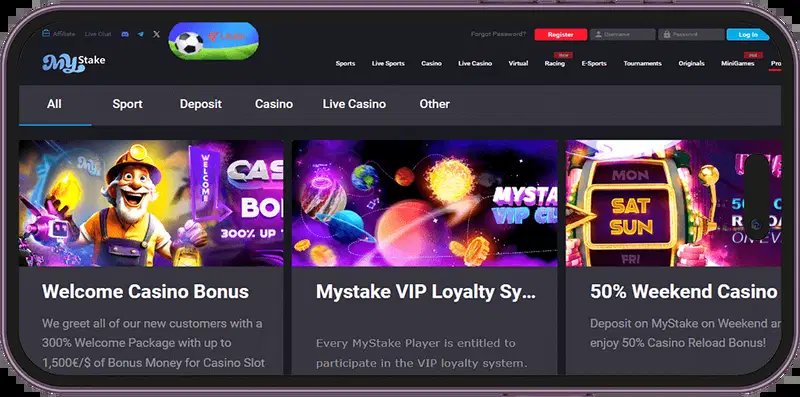
Speaking of convergence, the community around online gaming often overlaps with broader digital entertainment. One project that illustrates this mix is Mystake, which blends social interaction with game‑centric content, offering a glimpse of how cloud‑based play can integrate with other online experiences.
Practical advice for getting started
If you’re curious about trying cloud gaming with 5G, follow these steps:
- Check your carrier’s 5G coverage map and confirm that your plan includes at least 20 Mbps of sustained speed.
- Choose a service that offers a free trial—many provide a week of unlimited play.
- Use a device with a modern Wi‑Fi 6 or 5G modem; older hardware may struggle with the video decoding.
- Connect a controller via Bluetooth for the lowest possible input lag.
- Monitor your data usage in the device settings to avoid unexpected overage charges.
Where the industry is heading
Looking ahead, 5G rollout is expected to reach 80 % of the global population by 2027. As edge servers proliferate, the distance between you and the rendering farm will shrink, further reducing latency. Developers are already designing games that assume cloud delivery, with dynamic resolution scaling that adapts to real‑time bandwidth fluctuations.
In short, 5G is turning cloud gaming from a novelty into a practical alternative to traditional consoles. The technology still has gaps—coverage, data limits, and cost—but for anyone with reliable 5G, the playground has expanded beyond the living room, and the future feels remarkably close.
Frequently Asked Questions
What is cloud gaming?
Cloud gaming streams games from remote servers to your device, so you play without local installation. It lets you access titles instantly without large downloads.
How does 5G improve cloud gaming?
5G reduces latency and increases bandwidth, making real-time gameplay smoother and reducing buffering. Faster data speeds mean less lag and higher frame rates.
Can I play on a low‑end PC with cloud gaming?
Yes, because all heavy processing happens on the server, your device only needs to display video and send inputs. Any device with a screen and internet works.
Are there data usage limits?
Streaming video consumes bandwidth, so data caps can affect playtime; consider using Wi‑Fi or an unlimited plan. Check your provider for limits.